




This sweet spot prolongs the life of the cells by lowering their stress levels. They typically prefer to be between 20 and 80 percent charged, which is their comfort zone. In a similar vein, charging to full capacity is acceptable if you require additional range, particularly prior to a lengthy trip. Imagine it as a lengthy road trip. However, this does not imply that charging to capacity is risky. Even though driving fast for extended periods of time wears down your tires, you still do it when it's necessary.
Let's start by briefly reviewing the operation of lithium-ion batteries. Another factor is the type of battery in your EV. In extremely hot weather, charging to 100% can put the battery under more stress than in milder conditions. Additionally, many EVs have thermal management systems that help protect the battery regardless of the outside temperature by cooling it while it is being charged. If you have to fully charge in a hot climate, try to do it in the evening or park in a shaded area.
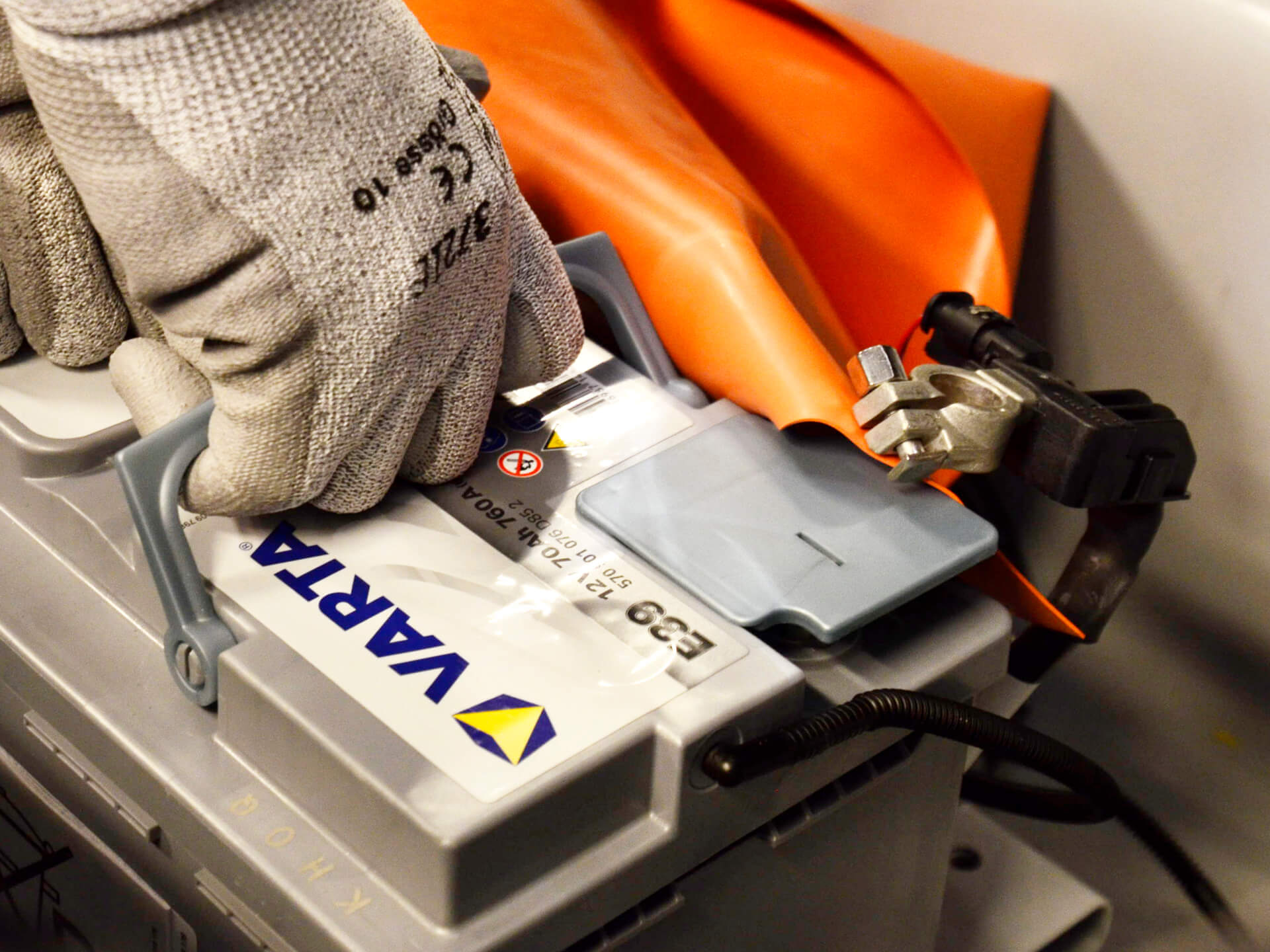 Although the precise lifespan of EV batteries varies depending on the vehicle, climate, and driving style, you'll frequently hear that they can last up to ten years. Rather than failing abruptly, it gradually loses charge capacity, which usually results in a shorter range. Buyers are further reassured by the fact that many manufacturers support this with warranties that are frequently expressed in years and/or miles. The majority of batteries for electric vehicles are made to last through regular use and years of ownership.
even if it doesn't always hold its full capacity. After that, the decline is steady and gradual. The information provides comfort to anyone who is concerned about purchasing a used electric vehicle. Nowadays, many used EVs are more affordable than their gasoline-powered counterparts, making them a desirable alternative rather than a dangerous risk. When a car has 20,000 miles on it, it has usually passed the steepest portion of its initial capacity curve. Your car is smarter than you think, and it's ready to handle whatever you throw at it - full tank or not.
To help safeguard the battery pack, integrated systems keep an eye on temperature, charging rates, https://autopowercare.com/ and energy consumption. Thermal management systems, which keep the cells within an effective operating range and minimize needless strain, are used in many cars. Car owners may be able to save thousands of dollars because the cost is a small portion of a complete battery replacement. This type of precise repair is now available at many independent stores and specialized EV service facilities, making it a feasible choice for vehicles that are no longer under warranty.
